17th January, 2026
Content planning is the process of deciding what you are going to publish, where it will live, and when it will go live, all in support of your wider business goals. Rather than creating content reactively, content planning gives you a clear framework for building consistent, purposeful communication across your website, blog, social channels and email marketing.
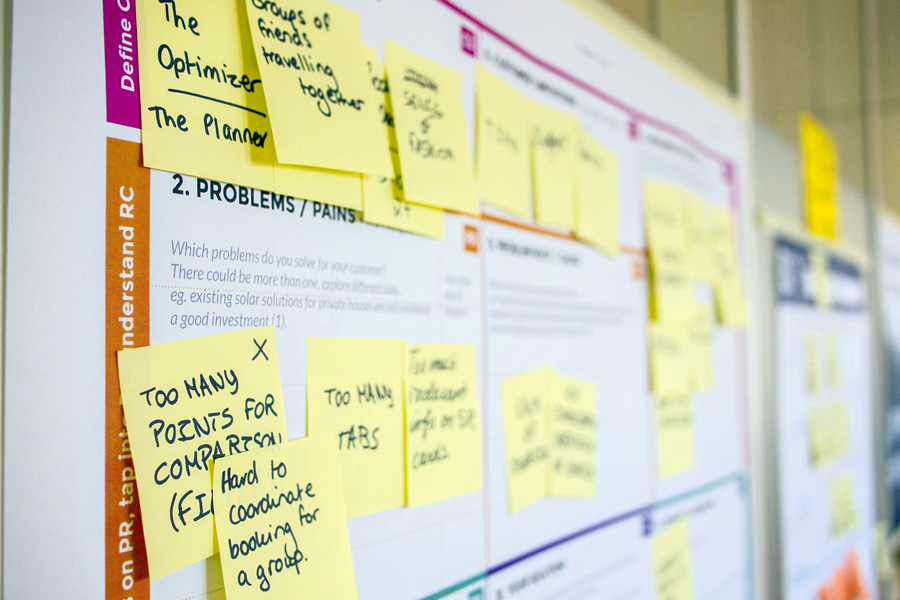
For many businesses, content can quickly become another task on an already long to-do list. That’s where a structured plan helps reduce pressure, improve quality, and turn content into something that works for you rather than something you constantly chase.
Understanding the purpose of content
Every piece of content should have a reason for existing. Some pages are designed to attract new visitors through search engines, while others are there to build trust, answer questions, or guide users towards making contact. Content planning starts by defining what each type of content is meant to achieve.
This might include:
- Informational content that explains your services or industry
- Educational content that helps users solve problems
- Promotional content that highlights offers or campaigns
- Story-led content that builds brand personality and trust
When you understand the role of each piece, it becomes easier to decide what to create and what can wait.
Knowing your audience
Effective content planning is rooted in understanding who you are talking to. Different audiences care about different things, even within the same business. A decision-maker may want reassurance and clarity, while a day-to-day user may want practical guidance. Planning content around real user needs helps avoid generic messaging and leads to more meaningful engagement. This often involves listing common questions, concerns and motivations, then mapping content ideas to each one.
Choosing the right channels
Not all content belongs in the same place. Some topics work best as detailed blog posts, while others are better suited to short social updates or email campaigns. Content planning helps you decide where each message will have the most impact. A single idea can often be reused across multiple channels. For example, a blog post can become a LinkedIn update, a short email newsletter item, and a series of social posts. Planning this in advance saves time and keeps messaging consistent.
Building a realistic schedule
One of the biggest challenges businesses face is consistency. Content planning is not about creating an ambitious calendar that becomes impossible to maintain. It is about setting a pace that fits your resources and workload. This might mean publishing one strong blog post a month, sending a quarterly newsletter, or sharing regular updates during key seasonal periods. The goal is to create a rhythm that feels achievable rather than overwhelming.
Balancing quality and quantity
More content does not always mean better results. A well-researched, clearly written page that answers real questions can outperform multiple rushed posts. Content planning allows you to prioritise depth and relevance over volume. By identifying your most valuable topics, you can focus your time on creating content that continues to deliver value long after it is published.
Planning for SEO and visibility
Search visibility is often a key driver behind content creation. Content planning helps ensure your website covers important topics in a structured way rather than in isolated posts. This can involve grouping related topics together, linking between pages, and building authority around specific services or subject areas. Over time, this approach helps search engines and users better understand what your business offers.
Measuring and adapting
A good content plan is not fixed in stone. Reviewing what performs well and what does not helps refine your approach over time, ensuring your effort is always directed where it has the greatest impact. This might include looking at page visits, time spent on key pages, enquiry rates, and engagement across social platforms and email campaigns. By using this data, you can begin to spot patterns. You may find certain topics or posts consistently attract new visitors at specific times of the year. These insights allow you to prioritise the types of content that deliver the most value, giving inspiration and clear direction for creating new content in the future.
How Tidy Design can help
For many businesses, the biggest barrier to content planning is time. Knowing what to say, when to say it, and how to say it can quickly become overwhelming alongside day-to-day work. Tidy Design works with clients to take the pressure off by helping define content goals, structure blog posts, plan seasonal campaigns, website copy and more. Whether you need a simple content roadmap or ongoing support, we’re here to help lighten the load and keep your online presence moving forward. Content planning turns scattered ideas into a clear, manageable strategy. It helps you communicate with purpose, stay consistent, and make better use of the time and effort you invest in your website and marketing.
I hope you found some value in this post.
Until next time, keep it Tidy!
Mike